
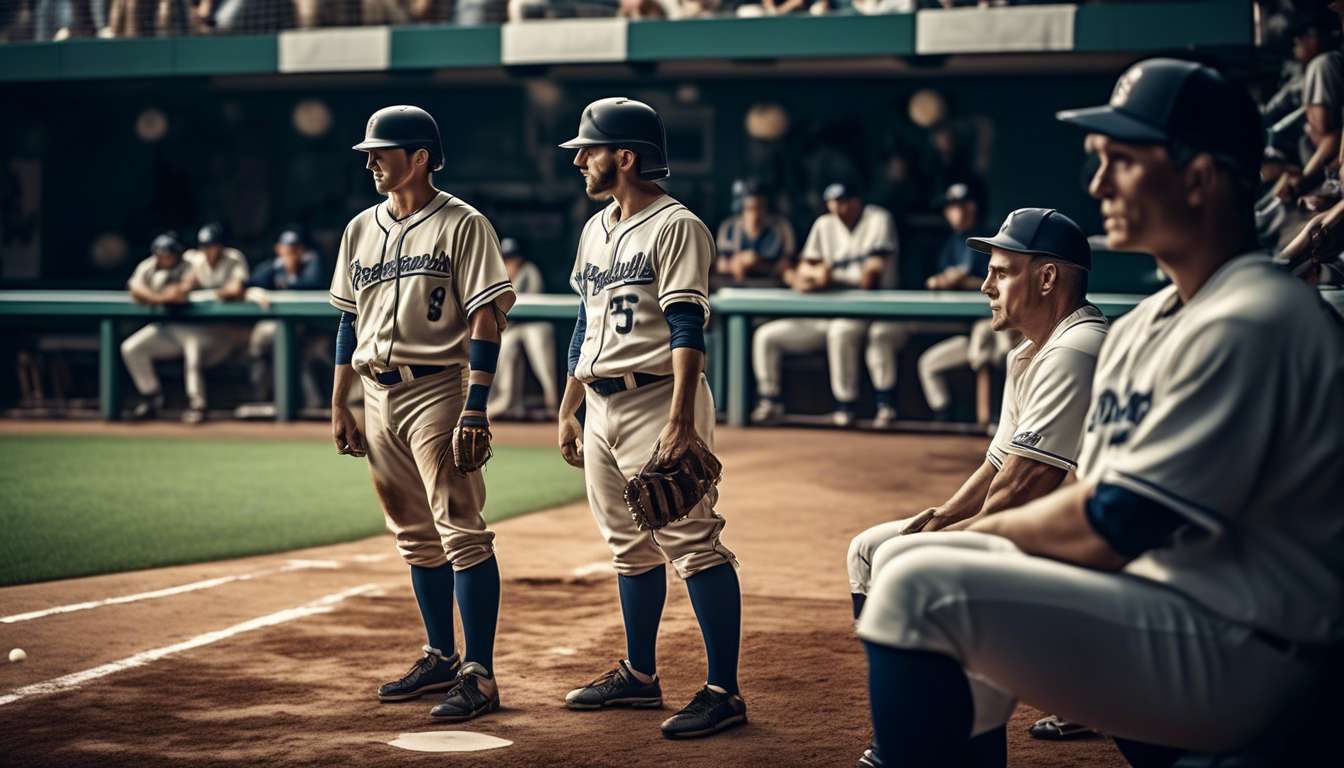
Baseball enthusiasts recognize that the game demands equal measures of strategy, skill, resilience, and adaptability to truly master its complexities.
Injuries are an inevitable part of the sport, and they can significantly alter the dynamics of a team’s performance. We’ve seen firsthand how a key player’s absence can ripple through the lineup, impacting everything from morale to on-field tactics.
Injuries test not only the depth of our roster but also the ingenuity of our coaching staff, who must constantly adjust strategies to compensate for missing talent.
We’ve observed how some teams manage to pivot successfully, using injuries as opportunities to showcase emerging players, while others struggle to maintain momentum.
As we delve into the nuances of how injuries affect baseball teams, we’ll explore the multifaceted challenges they present and examine the resilience strategies that separate the contenders from the rest.
Together, let’s uncover the hidden layers of this vital aspect of the game.
The Domino Effect of Injuries
Injuries in baseball often trigger a domino effect, disrupting team dynamics and affecting overall performance.
When one of our key players gets sidelined, it doesn’t just impact their role; it sends ripples through the entire roster. We all know the sting of watching a teammate limp off the field, knowing we need to step up and fill the gaps left by their absence.
Our performance as a team hinges on each player’s unique contributions, and an injury challenges our collective resilience. We face the daunting task of:
- Adjusting our strategies
- Maintaining morale
- Ensuring our gameplay doesn’t falter
It’s not just about physical recovery; it’s about emotional and mental strength, too.
We must lean on each other, trusting that together, we’ll overcome these hurdles. Injuries test our unity, but they also provide the chance to prove our mettle. With resilience, we transform setbacks into opportunities to grow stronger as a team.
Disrupted Lineup Dynamics
A single injury can force us to rethink our lineup, altering roles and responsibilities in ways that challenge our established rhythm. When a key player is out, we’re tasked with filling gaps that disrupt team cohesion and fluidity.
Injuries can sideline someone crucial, and suddenly, we’re adapting to new dynamics on the field. It’s not just about replacing a player; it’s about maintaining performance and morale as a unit.
Injuries test our resilience. We must rely on each other to step up and embrace new roles. This experience can strengthen our sense of belonging as we come together to support one another.
- Every player’s contribution becomes even more vital.
- We learn to trust in our collective ability to navigate these disruptions.
As we face these challenges, our unity is tested. But it’s in these moments that we find the true depth of our team spirit, proving that we can overcome obstacles and continue striving for success.
Strategic Adjustments and Adaptations
To stay competitive, we quickly implement strategic adjustments, ensuring our tactics evolve alongside the shifting team dynamics.
Injuries, while challenging, don’t define us; instead, they test our resilience. By analyzing our performance, we identify areas needing adaptation and develop strategies that enhance our collective strengths. Together, we ensure that each player understands their role in maintaining team cohesion.
We embrace flexibility by:
- Shifting players to new positions
- Developing alternative game plans
This isn’t just about filling gaps; it’s about leveraging our collective skills to maintain a high level of performance. Every change we make strengthens our resolve and ensures we remain a unified force on the field.
Our community thrives on mutual support and shared goals. When one of us is sidelined, we rally together, fostering an environment where everyone contributes to our success.
Each strategic adjustment reinforces our identity, reminding us that we’re more than just a team—we’re a family bound by resilience and determination.
Unleashing Emerging Talent
We actively nurture emerging talent, ensuring our team remains robust and dynamic. When injuries hit, we don’t just see them as setbacks. Instead, we view them as opportunities to showcase the depth of our roster.
By fostering an environment where young players thrive, we bolster our resilience and sustain our performance, even in challenging times. Our approach involves integrating promising players early on, so they’re ready to step up when needed.
These rising stars, often overlooked, bring fresh energy and diversity to our gameplay, strengthening our collective resolve. We believe in creating a space where everyone feels valued and essential to our team’s journey.
By investing in development, we ensure that the transition from the bench to the field is seamless. This strategy not only mitigates the impact of injuries but also cultivates a sense of belonging and purpose.
Together, we transform adversity into a breeding ground for future success, keeping our team’s spirit alive.
The Mental Toll on Team Morale
Injuries and Team Morale
Our team’s morale can take a significant hit when injuries disrupt our lineup and challenge our collective spirit. Losing a key player can feel like losing a part of our family, and it affects our overall performance. We know that each player has a unique role, and when someone is sidelined, it’s not just their absence on the field we feel, but also their energy and camaraderie in the dugout.
Resilience and Unity
It’s tough, but it’s also a time when our resilience is put to the test. We pull together, determined to support each other more than ever. We remind ourselves that setbacks don’t define us; how we respond does.
Adapting to Challenges
Injuries remind us of the importance of unity and the power of collective effort. As we navigate these challenges, we:
- Lean on each other
- Lift spirits
- Focus on the positives
Together, we find ways to adapt, ensuring our team spirit remains strong and our performance doesn’t falter.
Impact on In-Game Decision Making
When a key player is injured, we’re forced to quickly adjust our strategies and make critical decisions to maintain our competitive edge. Injuries can disrupt our original game plan, affecting performance on the field. We need to act swiftly, deciding who steps up to fill the gap and how we’ll tweak our tactics to accommodate the sudden change. Our resilience is tested as we adapt to unexpected challenges, reinforcing our team’s unity and determination.
In these moments, every decision becomes crucial. We analyze our roster to identify strengths and weaknesses, ensuring we remain effective despite setbacks. Communication among coaches and players is vital, as it fosters a sense of belonging and shared purpose. Together, we brainstorm creative solutions, drawing on our collective experience to navigate the uncertainty.
By embracing this collaborative approach, we not only mitigate the immediate impact of injuries but also strengthen our team’s resolve. Our adaptability and resilience keep us striving for excellence, no matter the circumstances.
Long-Term Effects on Season Performance
Over time, injuries can significantly alter the trajectory of our season, challenging us to find new ways to maintain our momentum and achieve our goals. When key players are sidelined, our overall performance can take a hit, and it’s up to us to adapt and overcome these hurdles.
Each setback tests our resilience, urging us to dig deep and unite as a team. We find strength in numbers, leaning on each other to fill the gaps and keep our spirits high.
Injuries force us to rethink strategies and sometimes redefine roles. This shared adversity can foster a stronger sense of belonging as we pull together to support those on the mend and those stepping up to the plate.
Our shared commitment to the team often inspires us to push harder, knowing that every effort counts towards our collective success.
As we navigate the season, resilience becomes our guiding force, ensuring that injuries don’t derail our ambitions.
Building Resilience Amid Adversity
Facing adversity head-on, we cultivate resilience by learning from each challenge and adapting quickly to unforeseen obstacles. Injuries, though often seen as setbacks, can transform into opportunities for growth, strengthening our team’s bond and sharpening our collective performance.
When a key player is sidelined, it’s not just about filling the gap; it’s a chance for others to step up, showcase their talents, and contribute to the team’s success.
We rally together, leaning on our shared goals and the camaraderie we’ve built over time. Every hurdle becomes a lesson, teaching us to be more adaptable and inventive.
With each injury, we gain the ability to overcome adversity, enhancing our resilience. This resilience isn’t just about enduring; it’s about thriving despite the odds.
In the face of challenges, we find strength in unity, knowing that each member’s contribution matters. Our collective spirit transforms obstacles into stepping stones, proving that resilience fuels enduring performance.
Our approach can be summarized as:
- Learning from each challenge.
- Adapting quickly to obstacles.
- Allowing others to showcase their talents when opportunities arise.
- Leaning on shared goals and camaraderie.
- Transforming hurdles into lessons.
- Thriving, not just enduring, through adversity.
How do teams typically assess the severity of a player’s injury and determine the recovery timeline?
When evaluating a player’s injury, the process typically involves several key steps:
-
Assessment by Medical Staff:
- Medical staff conduct physical exams and imaging tests to assess the severity of the injury.
-
Determination of Recovery Timeline:
- Factors considered include:
- Previous injuries
- Player age
- Specific type of injury
- Factors considered include:
-
Creation of a Personalized Recovery Plan:
- The medical team collaborates with coaches and management to tailor a recovery plan specific to the player’s needs.
Open Communication:
- Open and ongoing communication among medical staff, coaches, management, and the player is crucial to ensure the player’s safe return to the game.
What role do medical teams and physiotherapists play in the management of injuries during the season?
In managing injuries during the season, medical teams and physiotherapists are crucial members.
They assess injuries, create recovery plans, and work closely with players to ensure optimal healing. Their expertise aids in minimizing downtime and maximizing performance.
By providing personalized care and rehabilitation strategies, they play a vital role in keeping our team healthy and strong throughout the season.
Their dedication helps us stay on top of our game and push through any challenges.
How do injuries influence team chemistry and player relationships off the field?
Injuries impact team chemistry and player relationships off the field by disrupting the natural flow of interactions.
When players are sidelined, the team dynamic shifts, leading to potential feelings of isolation or detachment among teammates. This can strain relationships and hinder the overall camaraderie that is essential for a successful team environment.
To address these challenges and maintain a cohesive and supportive team atmosphere, it is crucial to:
-
Provide Emotional Support: Ensure that injured players receive encouragement and empathy from teammates and coaching staff.
-
Facilitate Communication: Keep open lines of communication between injured players and the rest of the team to prevent feelings of detachment.
-
Include Injured Players in Team Activities: Whenever possible, involve them in meetings, strategy sessions, and social gatherings.
-
Encourage Peer Support Networks: Foster an environment where teammates actively support each other through recovery processes.
Addressing these challenges promptly can help sustain team chemistry and ensure that injured players continue to feel valued and integrated within the team.
Conclusion
In conclusion, injuries in baseball can send shockwaves through a team, affecting everything from lineup dynamics to strategic decisions.
The domino effect of injuries can:
- Disrupt team morale
- Impact in-game performance
However, these challenges also provide opportunities for:
- Emerging talent to shine
- Teams to build resilience in the face of adversity
By adapting and adjusting, teams can overcome injuries and strive for success despite the obstacles they face.